
Throwing Techniques
Neomgigi Kisul - 넘기기 기술
While it is primarily a striking focused martial art, Kukkiwon Taekwondo possesses techniques which are used to throw, trip, sweep and reap the opponent off balance - you will find these techniques listed as Neomgigi 넘기기 (“Nuhm-Gee-Gee”) in the Kukkiwon textbook as well as in the technique section of their official website.
Takedowns and throws in Kukkiwon Taekwondo clearly take heed from a very small selection of the 五教 Gokyo — the 40 throws of Kodokan Judo (고도칸 유도 / 講道館 柔道) which is a highly effective system of throwing a resisting opponent, and is also a sport of the Summer Olympic Games.
五教の技 Gokyo No Waza translates to “Five Sets Of Techniques”, with each set containing 8 waza. In Korean it is called 오교의 기술 Ogyoui Kisul (“Oh-G’yoh-Wee Kee-Sool“)
Fun trivia: Taekwondo also derives its Geup/Dan belt rank system from Kano Jigoro (가노 지고로 / 嘉納 治五郎) and his distillation of Jujutsu into Judo.
-
Deashi Harai (or Barai) 出足払
Forward Foot SweepHiza Guruma 膝車
Knee WheelSasae Tsurikomi Ashi 支釣込足
Lifting Pulling Ankle BlockUki Goshi 浮腰
Floating Hip ThrowO Soto Gari 大外刈
Big Outer ReapO Goshi 大腰
Big Hip ThrowO Uchi Gari 大内刈
Big Inner ReapSeoi Nage 背負投
Shoulder Throw
-
Ko Soto Gari 小外刈
Small Outer ReapKo Uchi Gari 小内刈
Small Inner ReapKoshi Guruma 腰車
Hip WheelTsurikomi Goshi 釣込腰
Lifting & Pulling Hip ThrowOkuriashi Harai 送足払
Sliding Foot SweepTai Otoshi 体落
Body DropHarai Goshi 払腰
Sweeping Hip ThrowUchi Mata 内股
Inner Thigh Throw
-
Ko Soto Gake 小外掛
Small Outer HookTsuri Goshi 釣腰
Lifting Hip ThrowYoko Otoshi 横落
Side DropAshi Guruma 足車
Leg WheelHane Goshi 跳腰
Spring Hip ThrowHarai Tsurikomi Ashi 払釣込足
Lifting Pulling Hip SweepTomoe Nage 巴投
Circle ThrowKata Guruma 肩車
Shoulder Wheel
-
Sumi Gaeshi 隅返
Corner ReversalTani Otoshi 谷落
Valley DropHane Makikomi 跳巻込
Springing Wrap Around ThrowSukui Nage 掬投
Scoop ThrowUtsuri Goshi 移腰
Shifting Hip ThrowO Guruma 大車
Large WheelO Soto Makikomi 大外巻込
Big Outer Wrap AroundUki Otoshi 浮落
Floating Drop
-
O Soto Guruma 大外車
Big Outer WheelUki Waza 浮技
Floating TechniqueYoko Wakare 横分
Side SeparationYoko Guruma 横車
Side WheelUshiro Goshi 後腰
Rear Hip ThrowUra Nage 裏投
Rear ThrowSumi Otoshi 隅落
Corner DropYoko Gake 横掛
Side Hook
(Click to expand)
-
大 - O - Big
小 - Ko - Small
外 - Soto - Outside
内 - Uchi - Inside
横 - Yoko - Side
投 - Nage - Throw
掛 - Gake - Hook
刈 - Gari - Reap
足 - Harai - Sweep
釣 - Tsuri - Lifting
込 - Komi - Pulling
車 - Guruma - Wheel
落 - Otoshi - Drop
体 - Tai - Body
腰 - Goshi - Hip
膝 - Hiza - Knee
足 - Ashi - Foot
釣 - Tsuri - Lifting
込 - Komi - Pulling
巻込 - Makikomi - Wraparound
返 - Gaeshi - Reversal
Techniques are kept simple and are by no means meant to serve as a complete submission grappling system.
These techniques are not permitted under the Olympic Kyorugi rule set and will result in a penalty.
These techniques are permitted under the Open Kyorugi rule set which advanced students at NB TKD Academy receive training in.
Each throw has three main phases, using Japanese terminology from Kodokan Judo they are:
崩し / Kuzushi / Off Balancing The Opponent
作り / Tsukuri / Preparing The Throw
掛け / Kake / Executing The Throw
The Golden Rule:
To get someone to fall over you need to move their center of gravity outside of their base in a way where they cannot readjust.
The center of gravity is not a fixed place, it moves as the person moves. The most efficient way to off balance the opponent is to disrupt their center of gravity perpendicular relative to the angle of their feet.
There are 4 ways to prevent one’s opponent from readjusting their center of base:
Block the path of their foot
Lift their feet off of the floor
Disrupt their posture
Disrupt their consciousness
Text which is grey and italicized within quotation marks is roughly how to pronounce the technique name, *not* how it is actually spelled.
Sweeping Hip Throw
Heori Hurigi
허리후리기
“Huh-Lee Hoo-Lee-Gee”
Judo 유도 Equivalent: Harai Goshi 払腰
Major Hip Throw
Heori Kkyeo Chigi
허리 껴치기
“Huh-Lee K’yoh Chih-Gee”
Judo 유도 Equivalent: O Goshi 大腰
Major Outer Reap
Bat Dali Hurigi
밭 다리 후리기
“Baht Dah-Lee Hoo-Lee-Gee”
Judo 유도 Equivalent: O Soto Gari 大外刈
Minor Outer Reap
Bal Dwichug Huligi
발 뒤축 후리기
“Bahl Dwee-Choog Hoo-Lee-Gee”
Judo 유도 Equivalent: Kosoto Gari 小外刈
Kukkiwon calls this 허리 잡고 다리 걸어 넘기기 / Heoli Jabgo Dali Geoleo Neomgigi (“Huh-Lee Jahb-Goh Dah-Lee Nuhm-Gee-Gee“).
Inner Thigh Throw
Heobeog Dali Geolgi
허벅 다리 걸기
“Huh-Bohg Dah-Lee Guhl-Gee”
Judo 유도 Equivalent: Uchi Mata 内股
Double Leg Takedown
Deureo Neomgigi
들어 넘기기
“Doo-Ruh Nuhm-Gee-Gee”
Judo 유도 Equivalent: Morote Gari 双手刈
Single Leg Takedown
Dali Deureo Neomgigi
다리 들어 넘기기
“Dah-Lee Doo-Ruh Nuhm-Gee-Gee”
Judo 유도 Equivalent: Kuchiki Taoshi 朽木倒
Breakfalls
Nagbeob - 낙법
Forward Breakfall
Jeonbang Nagbeob
전방 낙법
“Juhn-Bahng Nahg-Buhb”
Judo 유도 Equivalent: Mae Ukemi 前 受身
Side Breakfall
Cheugbang Nagbeob
측방 낙법
“Choog-Bahng Nahg-Buhb”
Judo 유도 Equivalent: Yoko Ukemi 横受け身
Backward Breakfall
Hubang Nagbeob
후방 낙법
“Hoo-Bahng Nahg-Buhb”
Judo 유도 Equivalent: Koho Ukemi 後方受け身
Rolling Breakfall
Hoejeon Nagbeob
회전 낙법
“H’way-Juhn Nahg-Buhb”
Judo 유도 Equivalent: Tobi Ukemi 飛び受け身
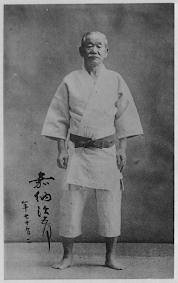
嘉納 治五郎 Kano Jigoro
(1860 - 1938)